Start with the problem, not the framework
Founders often ask "React or Vue?" before they've nailed down what the MVP actually needs to prove. The right starting question is: what's the riskiest assumption we need to test, and what stack lets us test it fastest without painting us into a corner?
For most SaaS MVPs, that means a stack that is quick to build with, cheap to host, and easy to hand off to new developers as the team grows.

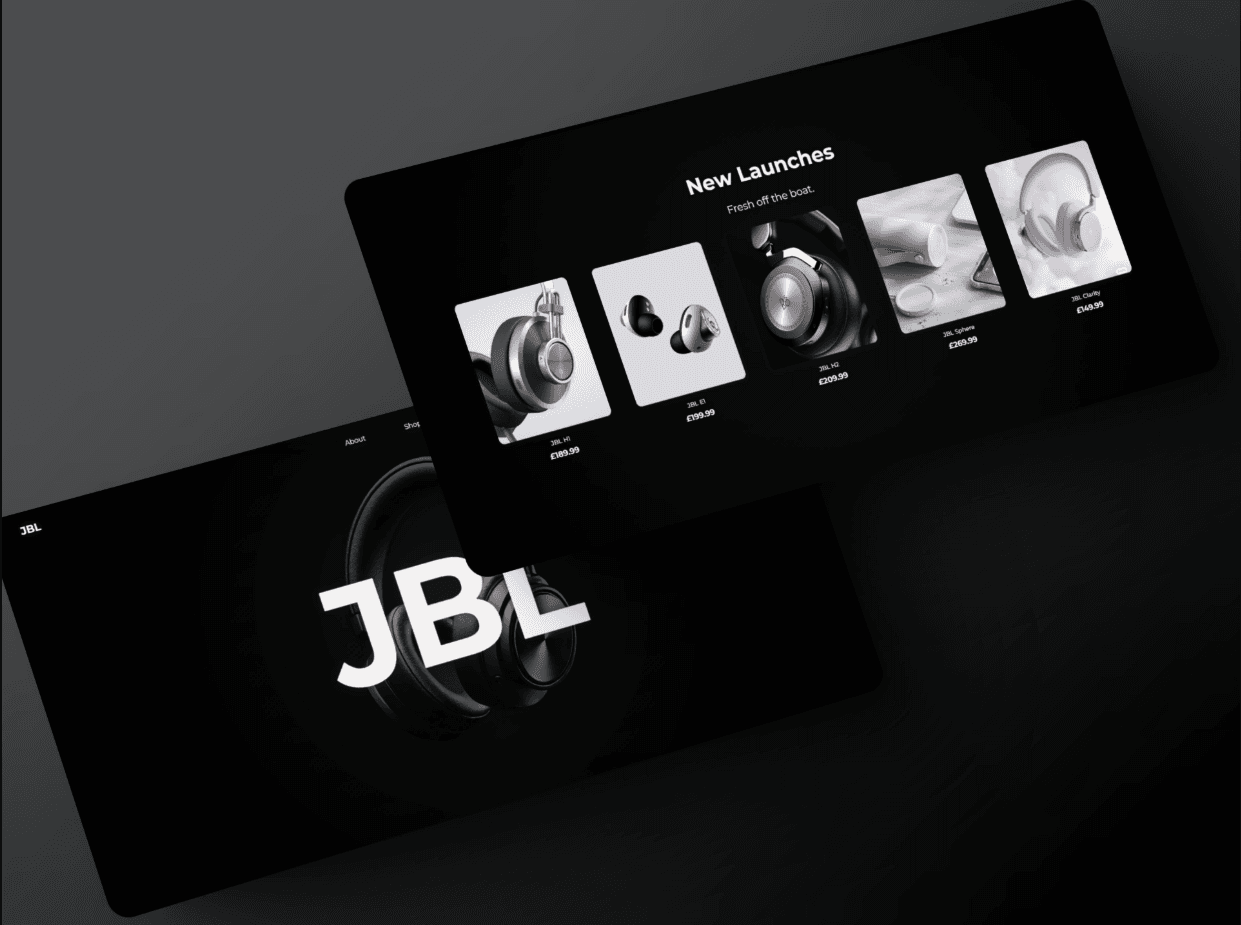
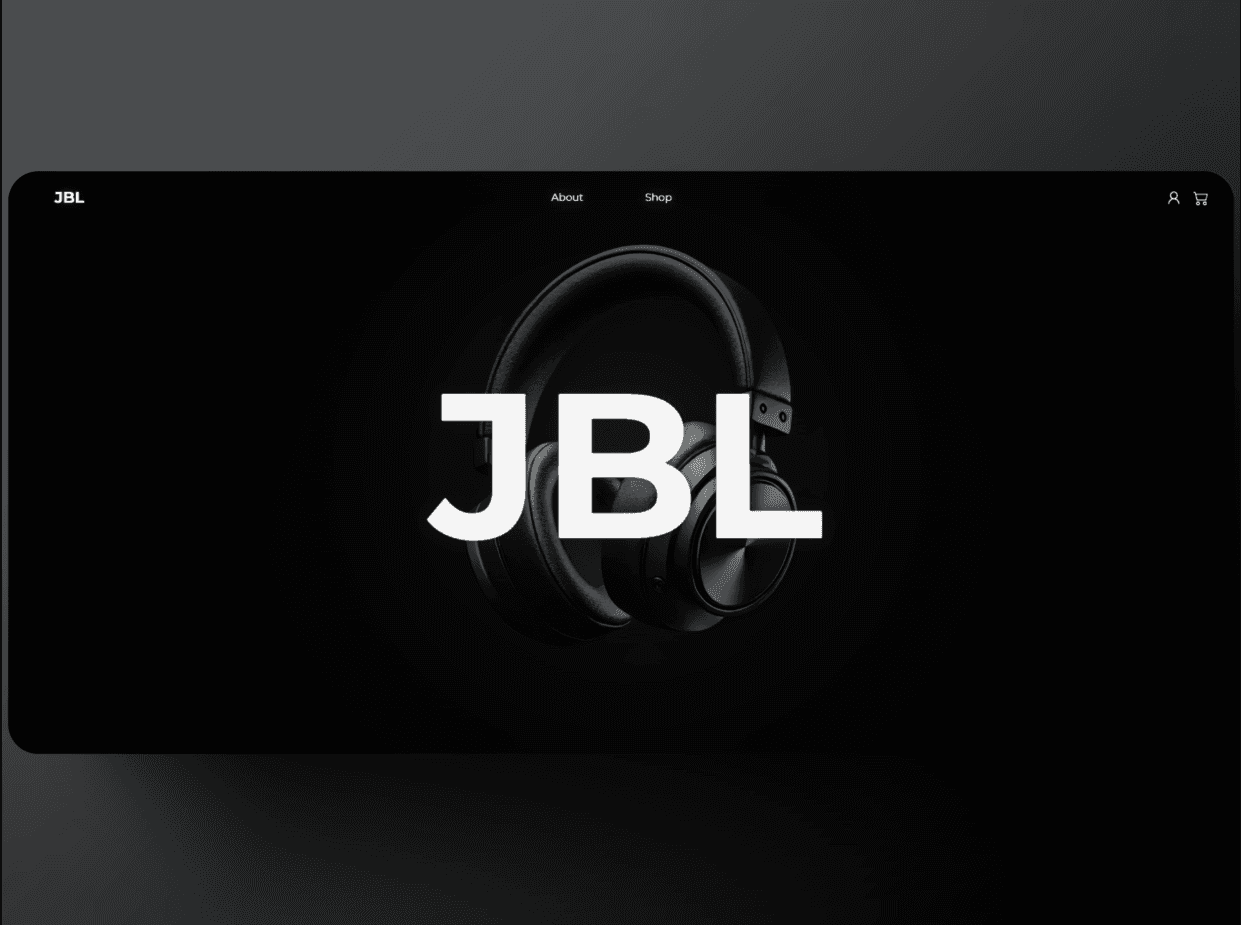
A clean, fast marketing site and dashboard built on a stack chosen for speed and clarity.
What we typically recommend
- Frontend: Next.js (React) for server rendering, SEO-friendly pages, and a smooth path from marketing site to app dashboard.
- Backend: Python (Flask/FastAPI) or Node.js — both are fast to prototype with and have huge hiring pools.
- Database: PostgreSQL or MySQL for relational data; add Redis later if you need caching or queues.
- Hosting: Vercel or a small managed VPS to start — you don't need Kubernetes for your first 100 customers.
Avoid premature scaling decisions
Microservices, multi-region databases, and custom infrastructure are solutions to problems most MVPs don't have yet. Every extra moving part is something your small team has to maintain, monitor, and explain to new hires.
The best MVP stack is the one your team can ship, debug, and explain to a new hire in their first week.
Instead, build a clean, modular monolith with clear boundaries between your marketing site, application, and API. This keeps your codebase easy to reason about while leaving room to split things out later if — and only if — you actually need to.
How PixelWave can help
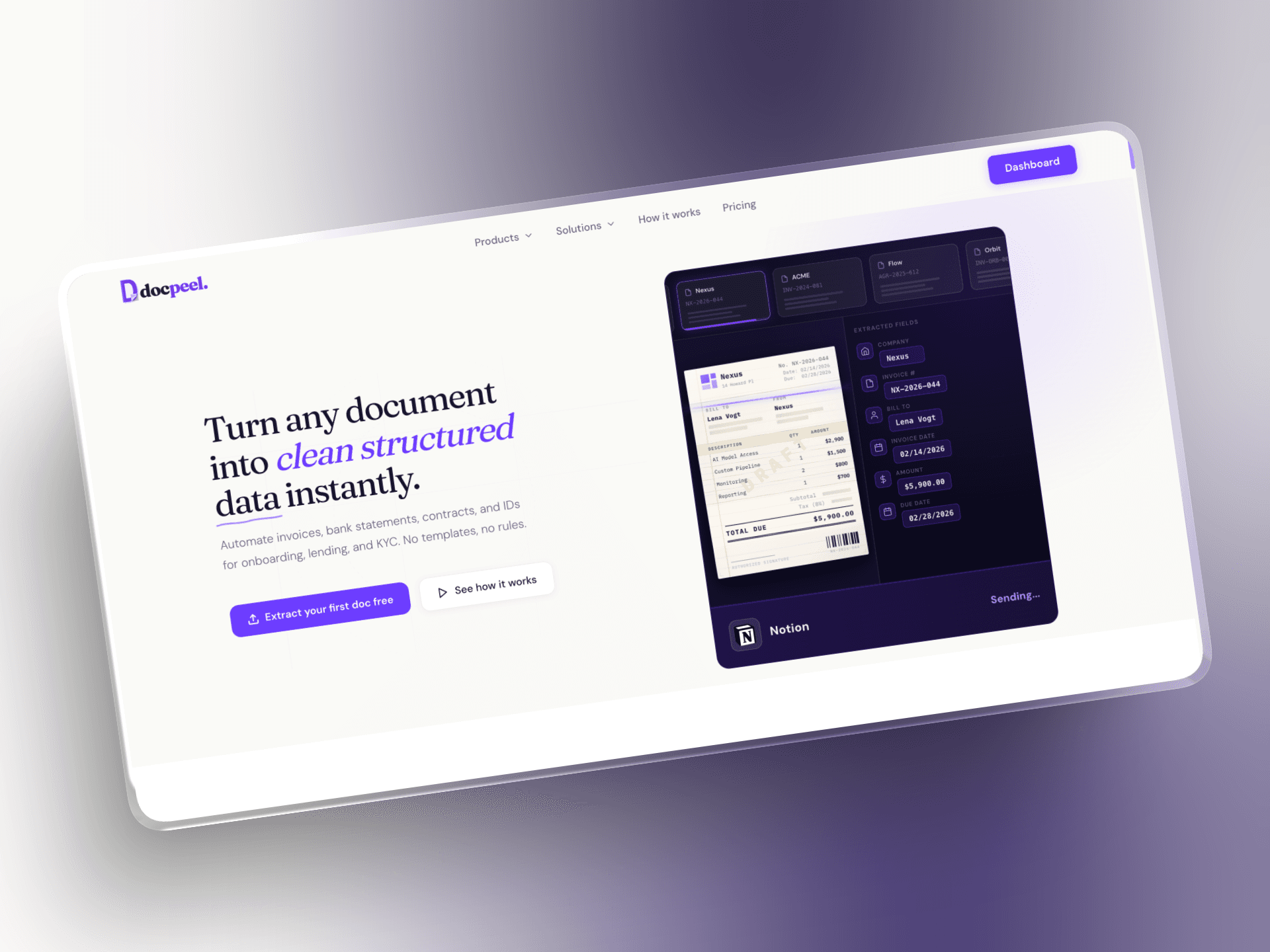
We've built SaaS marketing sites and dashboards using Next.js, React, and Python/Flask — including platforms like DocPeel, an AI-powered document extraction SaaS. If you're scoping your MVP and want a second opinion on your stack, we're happy to talk through it.